Drilling
Offshore and onshore well construction, well-control interface and fleet readiness.

Our Business Units
P&ES is organised so a client does not buy a logo and inherit a supply chain. Each unit owns a class of work. Interfaces are written down.
A drilling campaign, a production support job and a solar interconnection are different trades. Mixing them in one undifferentiated team produces either delays or silent risk.
Units share HSE, hold-point tracking and investor administration. They do not share excuses. When two units occupy one site, SIMOPS is a document, not a handshake.
You do not receive five account managers. You receive a named owner for the scope you bought, and a written list of what other units may be called if the work grows.
If the work is honestly two units, we say so in the proposal. Bundling for convenience is how interfaces get lost.
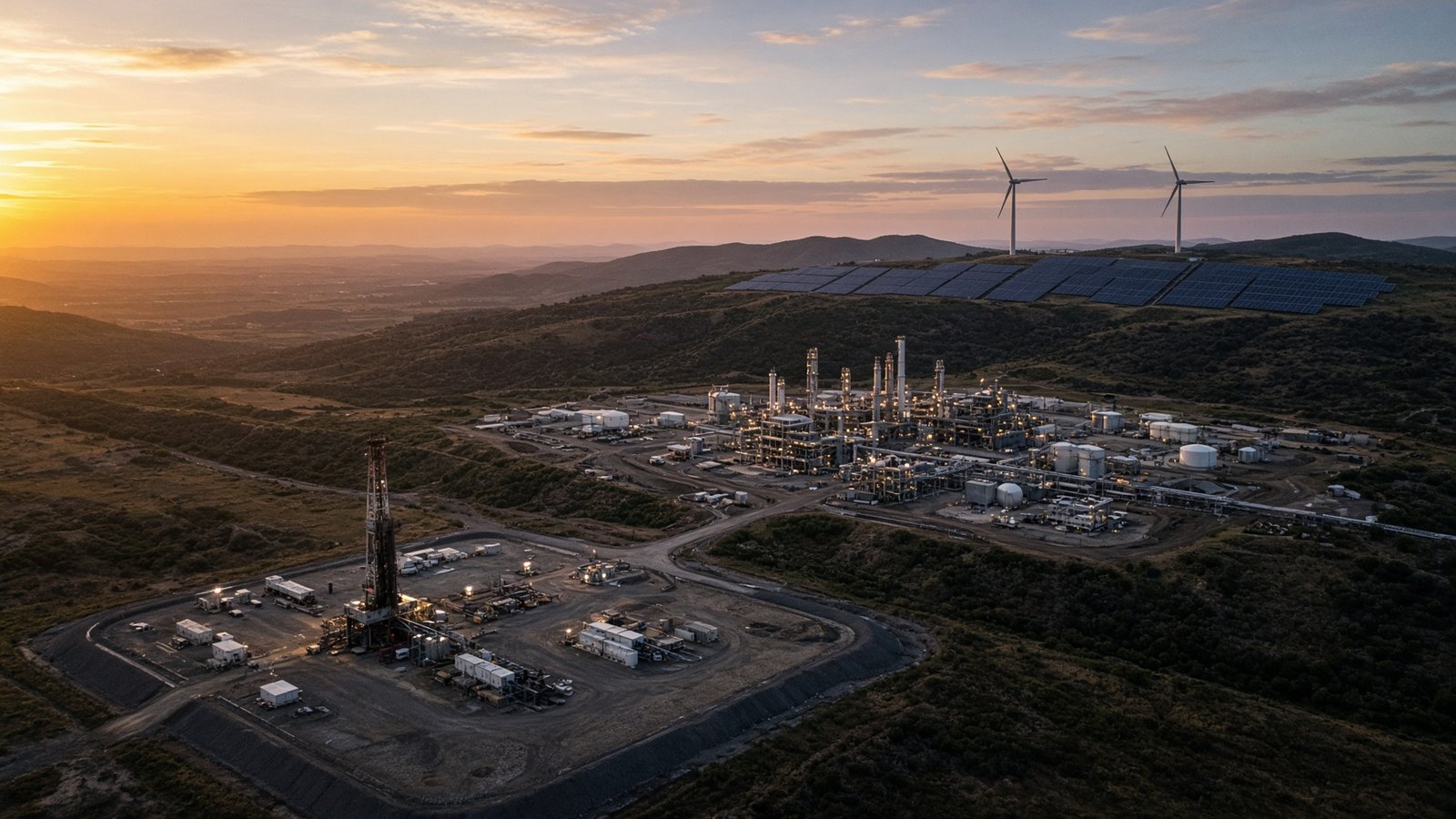
Drilling pad, process plant and renewable field can share a landscape. They do not share a method statement. The aerial view is useful only if the roads between them are planned.
In practice
The night a completion crew arrives while the drilling unit is still on the hole is not a surprise if the pad plan was written. It is a surprise if two units were sold as one.
P&ES would rather lose a bundled bid than inherit an unmanaged interface.
Capability notes
Offshore and onshore well construction, well-control interface and fleet readiness.
Production support, integrity programmes and field coordination.
Maintenance, fabrication and project controls under one accountable plan.
Generation, storage and behind-the-meter work that the grid can actually absorb.
Plans, deposits, contracts and withdrawals with a reviewable file.
One stop-work culture. Units do not get a private standard.
Operators ask
Yes, with schedules that name each unit’s gates. A single signature is not a single method.
The bridging document. If it cannot name the person who stops the lift, the job does not start.
They compete for competence, not for hiding bad news. Bad news travels to HSE regardless of unit.
From the field
How energy companies actually work
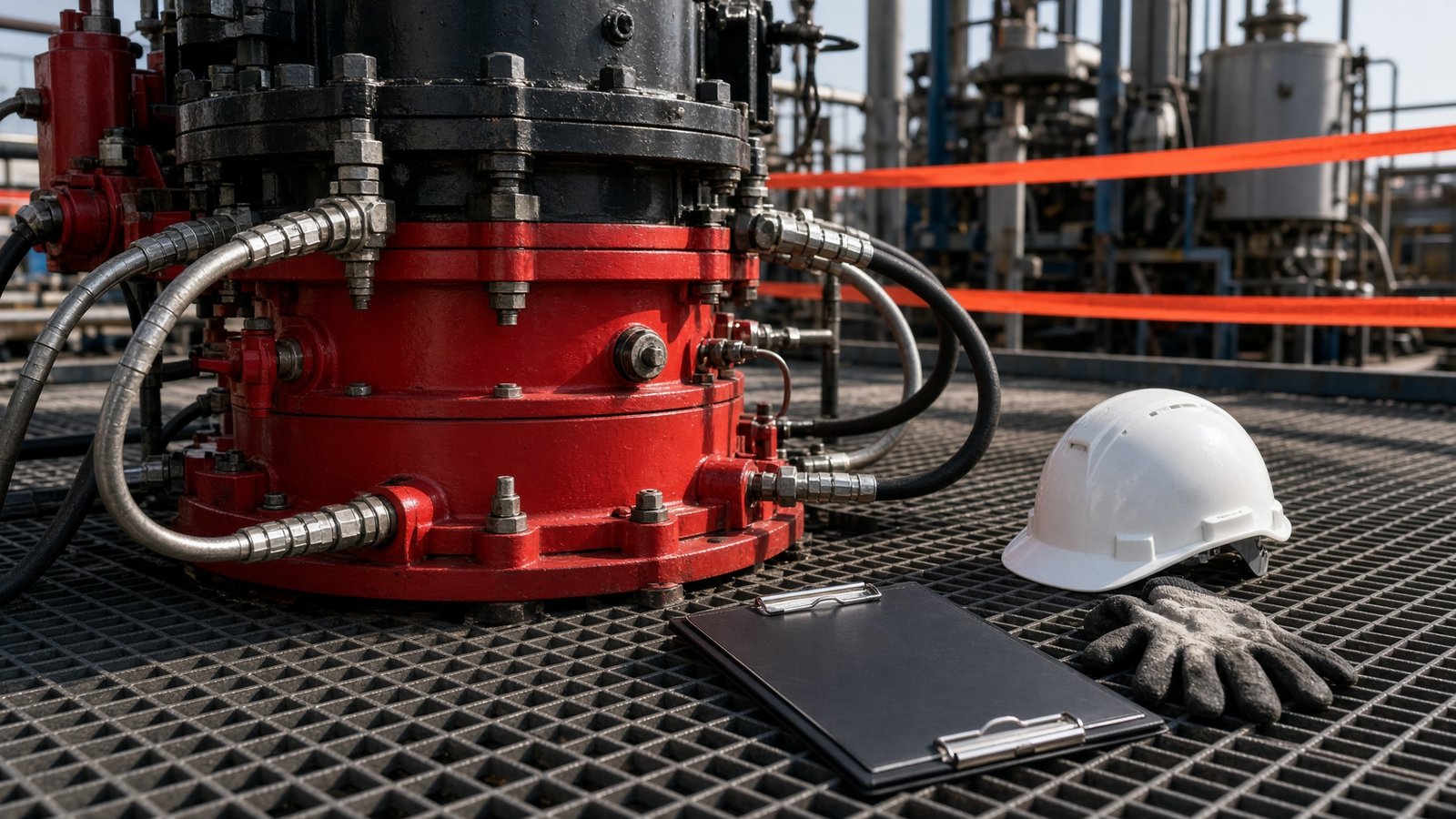
Primary barrier is usually hydrostatic — the mud column. Secondary is mechanical — the BOP. If either is unproven, the bit does not turn.
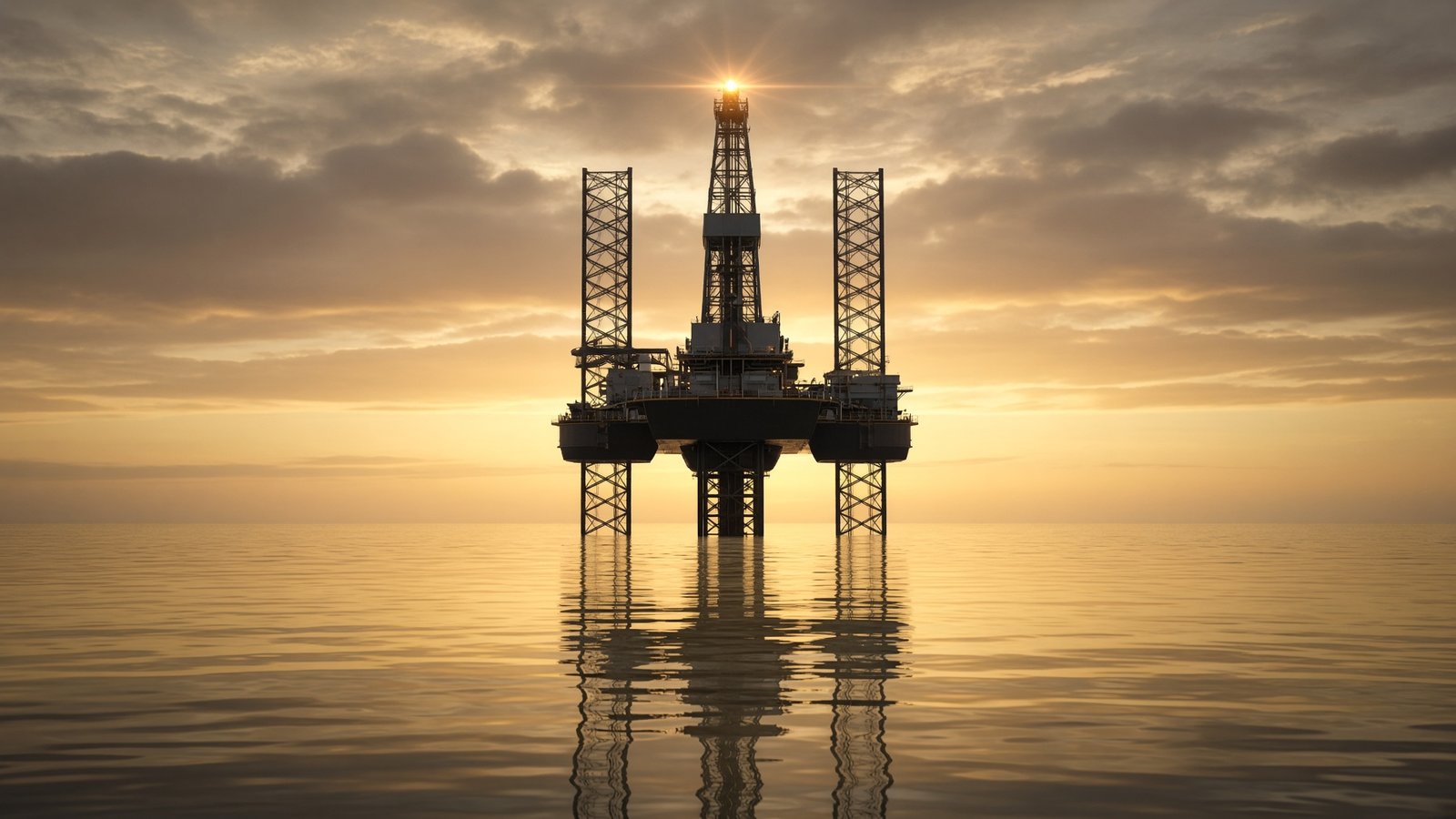
Offshore is weather, marine spread and the stack. Onshore is access, water, pads and neighbours. Do not copy a jack-up plan onto a land pad.
A hold-point is a named gate with a criterion and an owner. ISO 45001 is the management-system language. A poster is not.
Solar on a producing location still needs isolations, lifting and SIMOPS. Reliability first. Intensity reduction second.
Investor administration uses the same idea as well control: nothing posts without evidence.
Roads, noise, local workforce and grievance routes belong in the mobilisation pack.
Safety as an operating condition
P&ES treats competence, barriers, SIMOPS and return-to-service as hold-points. Digital tracking names who released the step. Stop-work is not insubordination.
The energy system
Upstream
Exploration, appraisal and development are different jobs. The abandonment plan should be visible before the first joint.
Plant
Inspection planning is production support, not a compliance tax.
Power
Interconnection and offtake decide whether a plant is an asset or a stranded slide.
People
Tickets have dates. A frozen crew list is a hold-point. A CV is a biography.
Keep reading