Continuity of supply
Molecules and electrons that arrive on time remain the baseline.

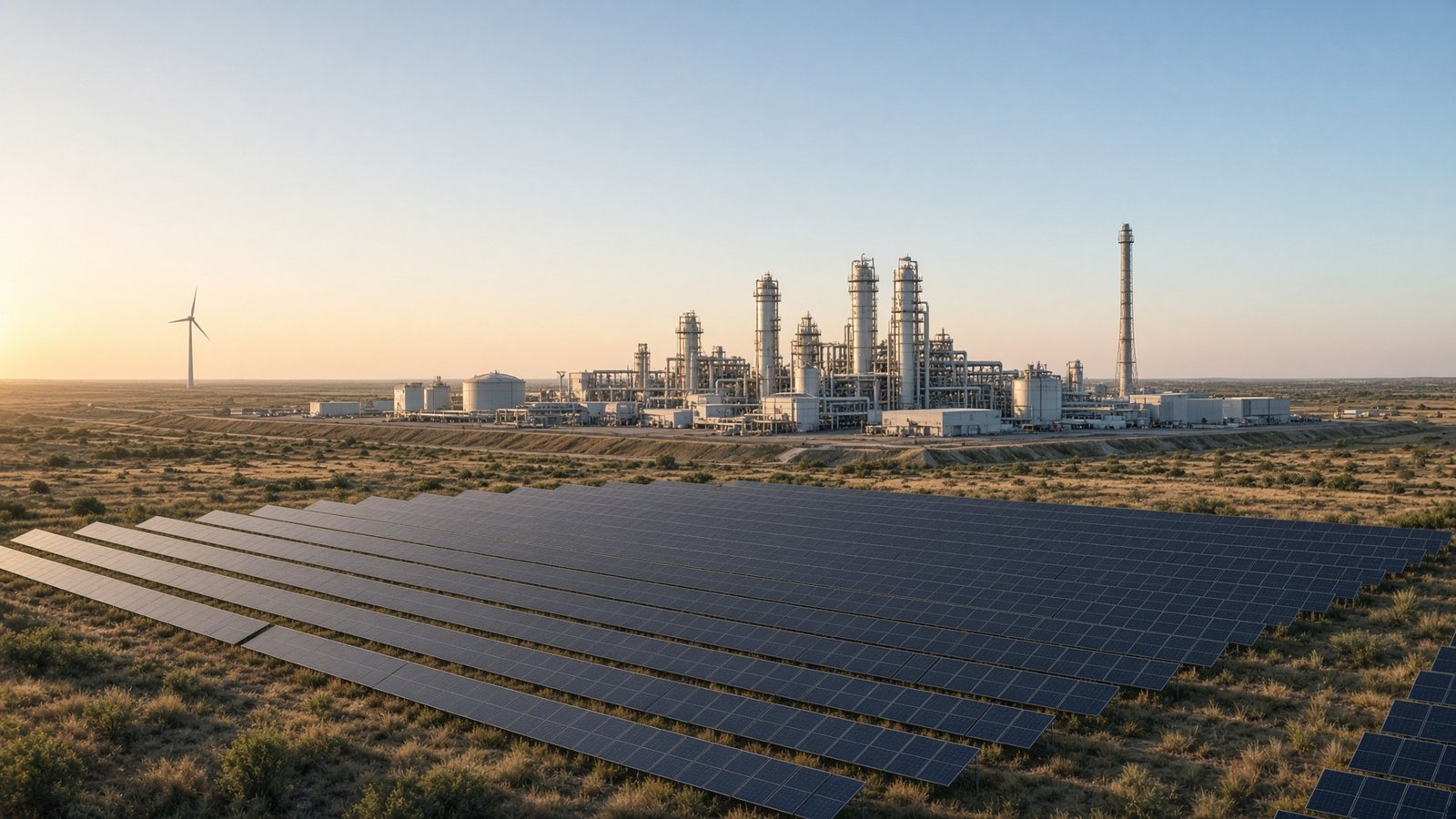
Energy Transition Strategy
Transition work that blackouts a grid is not a transition. It is an outage with better stationery.
P&ES sequences three moves: keep essential petroleum operations safe; reduce intensity where engineering is sound; add renewable capacity only where interconnection and offtake are real.
Petroleum & Energy Surge designs tools and methods that help energy producers work more safely and cut the load on land, air, and water. Values, steady delivery, flexible crews, and field experience are what we rely on for results that last. Operators use that mix of know-how and equipment to tighten oilfield work and to move toward cleaner supply over time.
Homes and industry need energy that is available, fairly priced, and produced with more care. We work so customers stay supplied, nearby towns stay strong, and the environment is treated as part of the job. Investment goes into extra generating capacity, a tougher grid with fewer outages, and a wider mix of sources that can serve demand now and later. Renewable project work, plant operation, and power trading sit in that plan. Clients also use our services to use less energy and release less carbon.
What Keeps Us Working
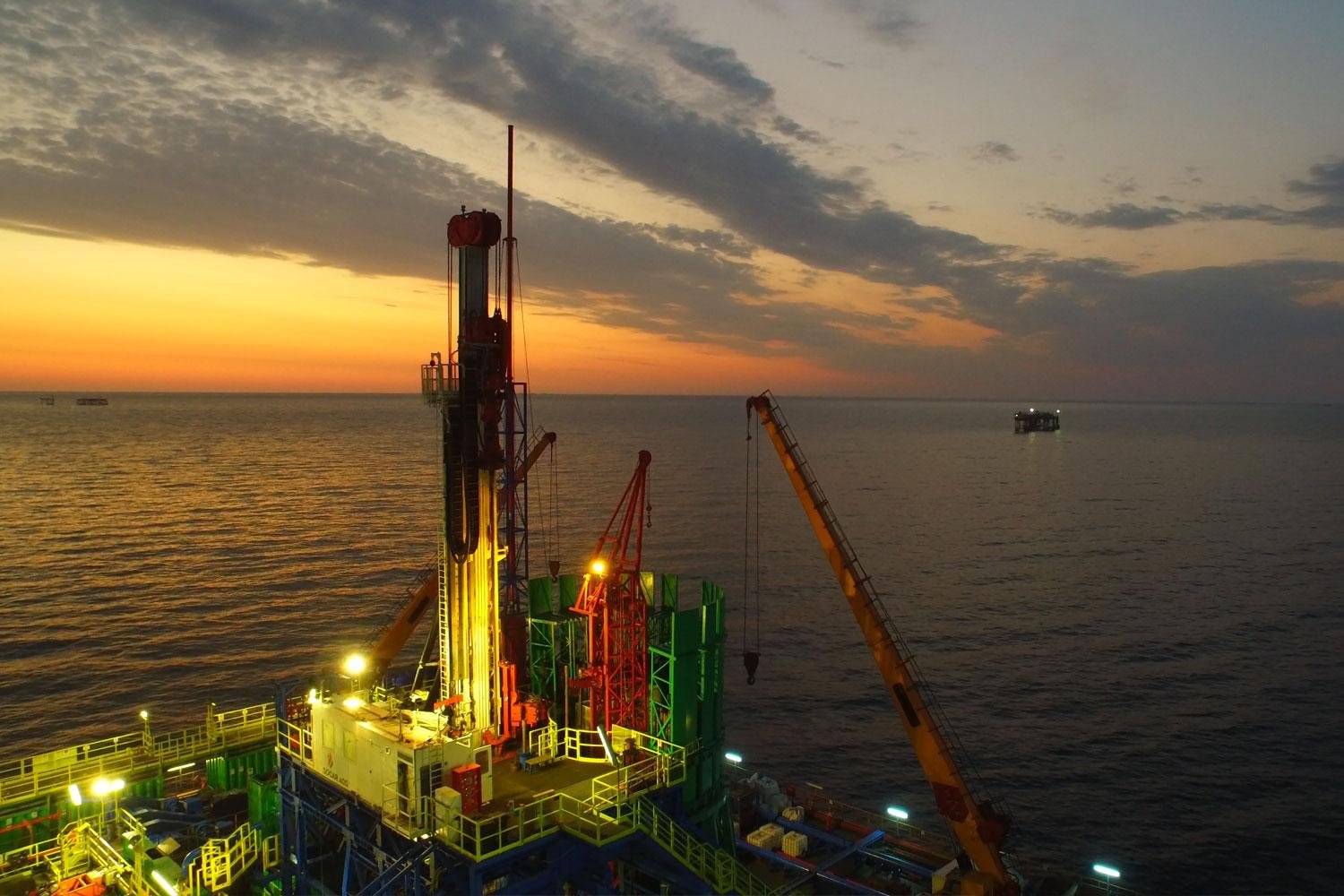
We look after the places we work, the people on the payroll, and the towns around our sites. Day-to-day work should be safe and dependable, and it should create lasting value for clients and owners. The aim is to help the world meet changing power needs by putting people and engineering first, so outcomes stay safe, flexible, efficient, and durable.
We make products people use every day and run refining and renewable-fuel work to a high safety and reliability bar. Rising demand for dependable, affordable, cleaner energy is treated as work to be done, not a slogan. The group is moving from a pure oilfield-support model toward a combined role in energy output, project development, and field services.
Refining
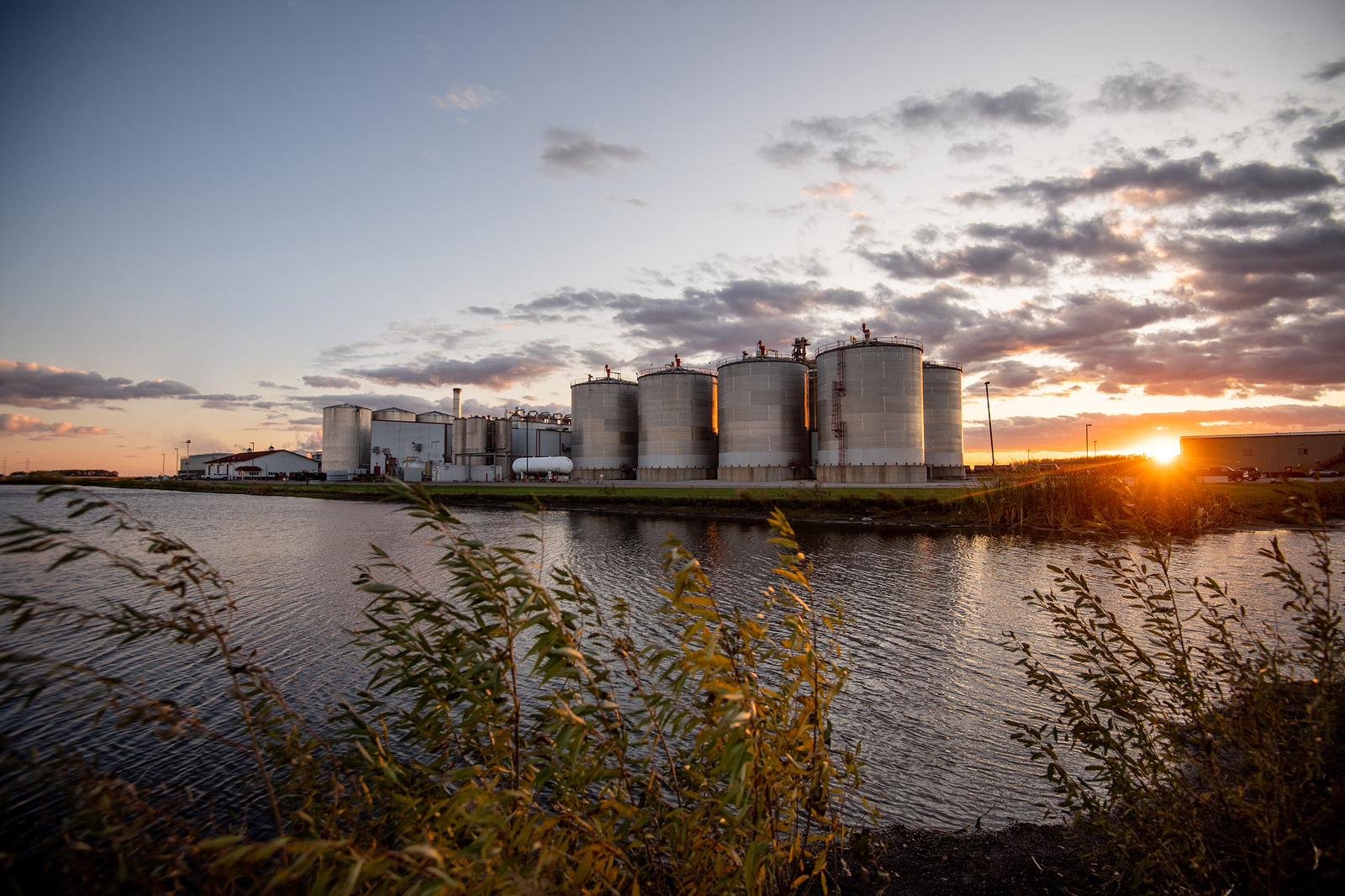
Petroleum & Energy Surges produces fuels and related products used in daily life, including diesel grades for transport and industry. Output also includes feedstocks and specialty products. Safety, clear accountability, and long practice in the trade guide how plants are run. Commercial, industrial, and aviation-grade jet fuel are part of the mix where we are licensed to supply them. Renewable fuel work is part of the same plan: we invest in lower-carbon blending options and review plant performance against emissions and quality targets.
Building the Next Stage of Supply
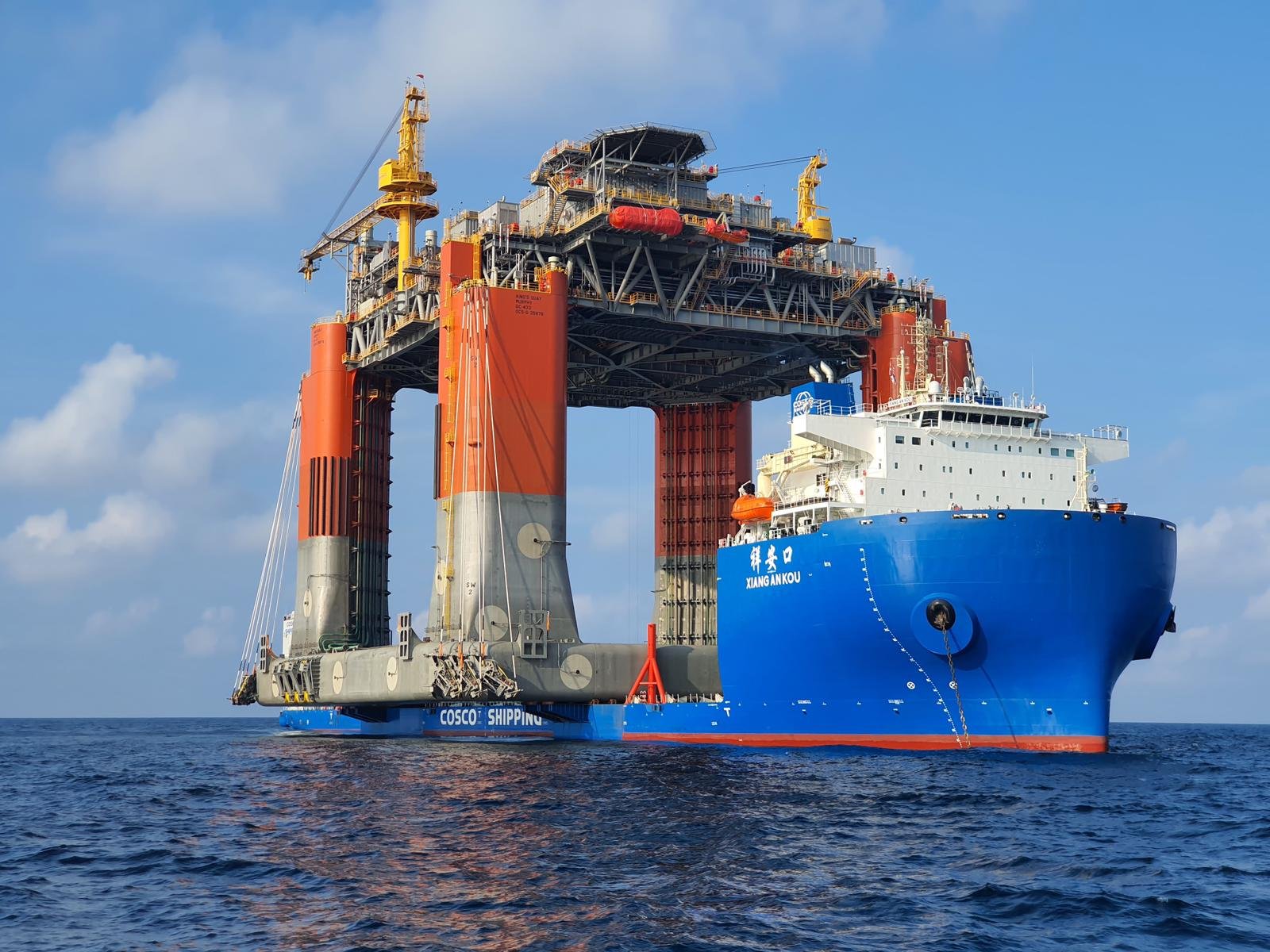
We keep adding capacity and logistics so refined products can reach growing markets. Renewable-fuel investment sits beside that work. Being a competitive operator also means being a careful one: less waste to air, tighter plant efficiency, and projects that improve how we treat the environment. Reputation, service, and a useful range of transport fuels are what we sell.
Technology is how we keep energy available, fairly priced, and steadily cleaner. It helps us run conventional supply more efficiently while we grow lower-carbon lines that will matter more later. The same tools help find and develop fields, recover more from wells already on stream, and pull operating data together so assets are managed with fewer gaps. Work is split between what the market needs now and what the system will need next.
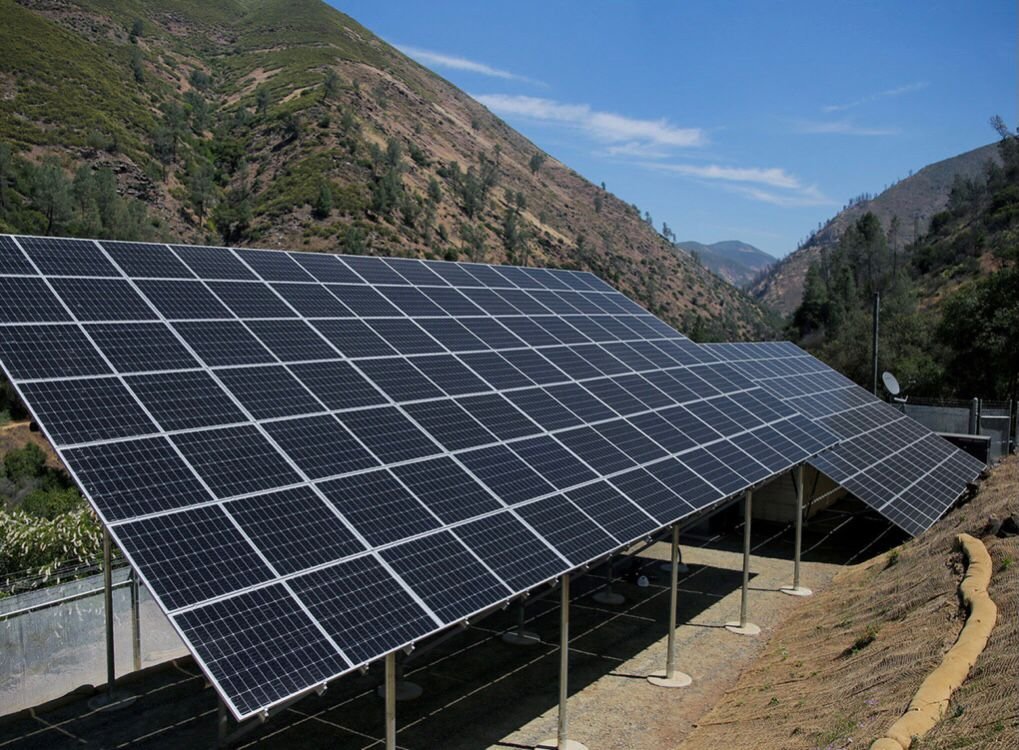
The group is changing how it earns money as the energy mix shifts. The published plan explains how we intend to cut emissions over time, in line with the direction set by the Paris Agreement, while still supplying energy people need today. Investors and the public can use that plan to see how climate risk and climate opportunity are handled, how capital is allocated, and how the move is meant to stay profitable.
Targets, customer-facing emissions work, spending priorities, and our stance on climate policy are set out in that document. Updates will be issued on a fixed cycle, and progress against the targets will be reported each year.
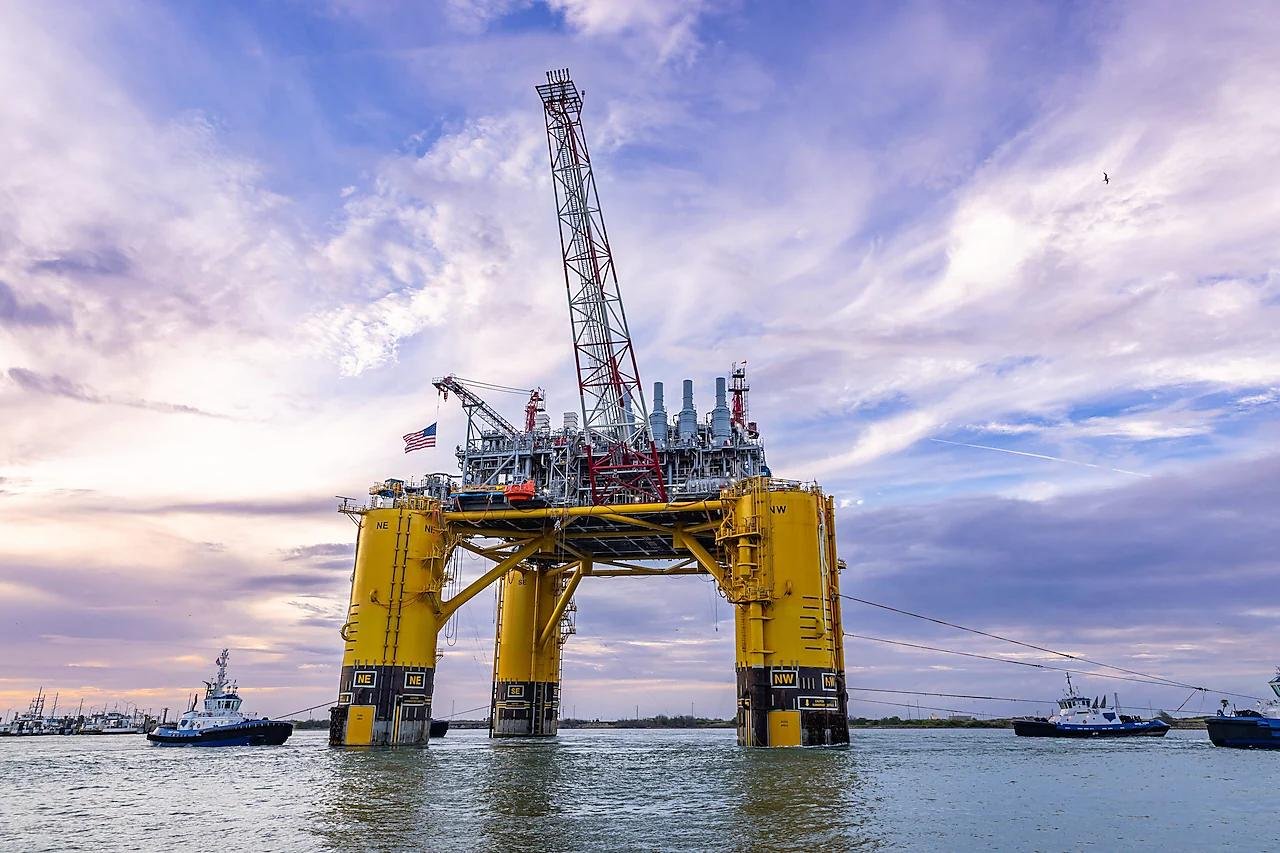
Our US plan aims for a fairer shift: energy that stays secure and affordable while it gets cleaner. It is meant to create value for owners, customers, and the wider public, with safety as the base. Four aims guide it:
Financial strength is what lets the company change shape as demand moves toward cleaner sources.
We cut emissions from our own work and help clients cut emissions from using our products. A 2050 net-zero target is in place. Reaching it depends on the wider economy moving in the same direction.
Homes, shops, and transport still need fuel and power for cooking, heat, and light. As the mix changes, more people should share the economic and social gains. That includes a wider set of suppliers and local workers trained for jobs in the new mix.
Protecting habitat, cutting waste, and leaving biodiversity better off where we can are part of the same plan.
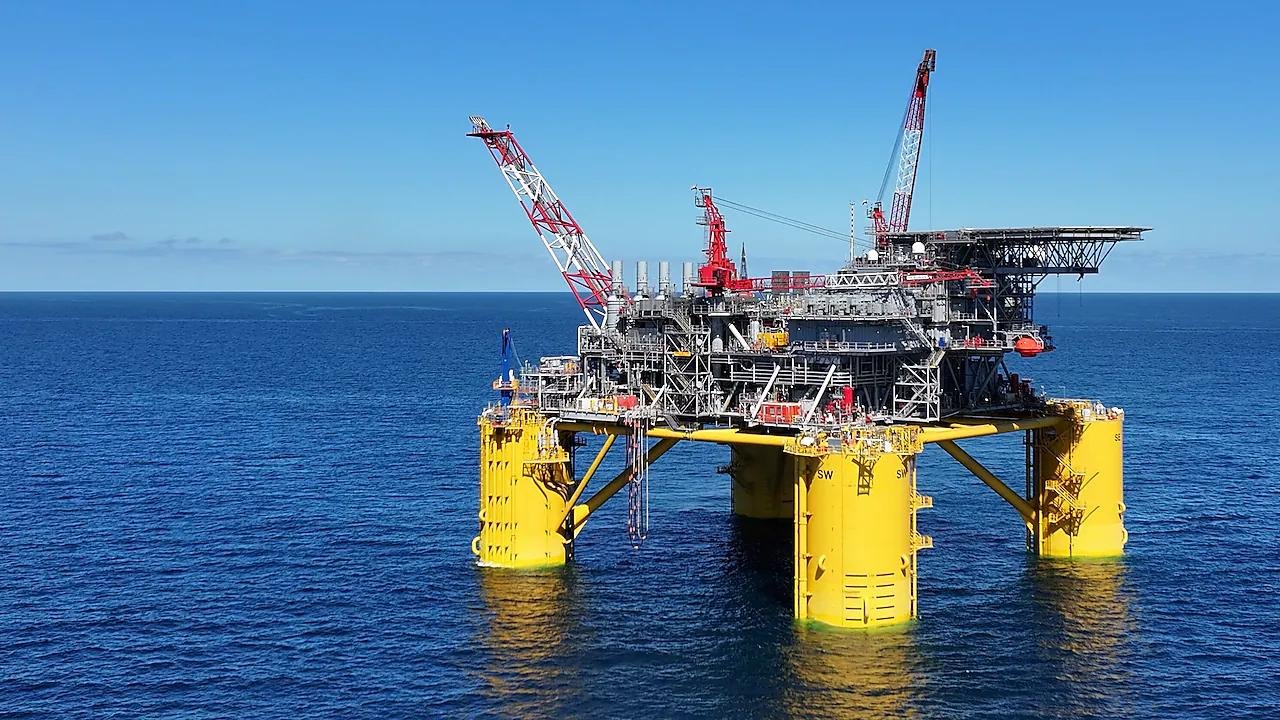
We look for ways to reach more users, in more forms, so more people can take part as the system changes. That means supply across regions of the country, for households, small firms, and larger users alike.
Staff carry the strategy and keep results stable over time. Ideas, craft, and teamwork are the real assets. Competing in a changing energy market takes skilled, trusted people who work safely across the group. Mixed teams led by open managers tend to deliver better safety and better numbers.
Petroleum & Energy Surges exists to supply more energy, and cleaner energy, so living standards can keep rising. Oil and gas will still be needed for years. That work has already helped many people reach modern living standards. Climate policy is pushing the system toward lower carbon, and we intend to take part in that shift rather than stand aside.
Honesty, fair dealing, and respect for people sit under every job. The business principles, code of conduct, and ethics manual tell staff how to live those rules and stay inside the law.
Strong work is noticed and rewarded. Training and leadership programs exist so people can grow. The aim is a workplace staff are proud to belong to.
We aim for first-rate work across the oil and gas chain for partners, staff, and owners.
Owners should see durable growth in earnings and in the markets we serve.
Staff should work under strict safety rules, get room to grow, and be hired for skill. We look for people who can keep applying new methods as the industry changes.
Partners should find deals that work both ways, in markets with real room to expand.
Towns around our sites should see care for land and people, not only extraction.
Technical skill and tight safety rules are treated as one job, not two.
Petroleum & Energy Surges is built as a place where hard work is expected and supported. Training, mentoring, and leadership paths sit inside a workplace that should stay safe, respectful, and open. The setting is meant to let capable people do their best work.
Civic duty covers how we treat neighbors and public bodies: ethically, safely, and in the open. Jobs matter, but so do local giving, community projects, study support, and staff volunteering.

Licensed contractors can handle household electrical jobs: repairs, checks, and new installs. The work is hazardous if done without training, so estimates and labor are left to qualified people.
Services include:
Grid work on our side aims to cut outages and restore supply faster. Customers get clearer, nearer-to-real-time information so they can use less power and spend less.

Independent lighting contractors can plan and fit motion-triggered lights for drives and paths. Well-placed outdoor light is a basic layer of property protection. A solid floodlight with motion or dusk-to-dawn control can deter unwanted visitors. A licensed contractor helps choose the right kit for the house.
What the program covers:
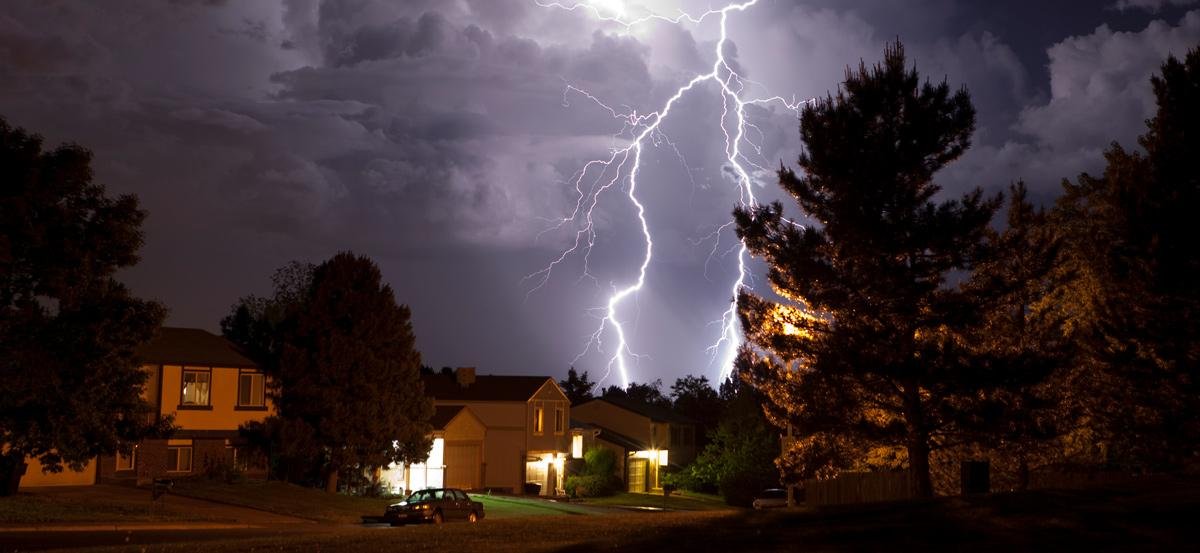
Voltage spikes can ruin electronics and newer appliances. Plans are offered at more than one price so households can match cover to what they own. Plug-in strips help, but they wear out, and fitting a new one on every device adds up. Many insurance policies have deductibles higher than the cost of a single item. A whole-home plan that pays for repair or replacement after a surge is the option many owners prefer.

You can take part in how supply changes. At Petroleum & Energy Surges we are cutting emissions across the business while we keep delivering energy people need now. You will work with experienced colleagues on those problems, pick up skills, and work under rules that treat honesty, fair dealing, and respect as normal.
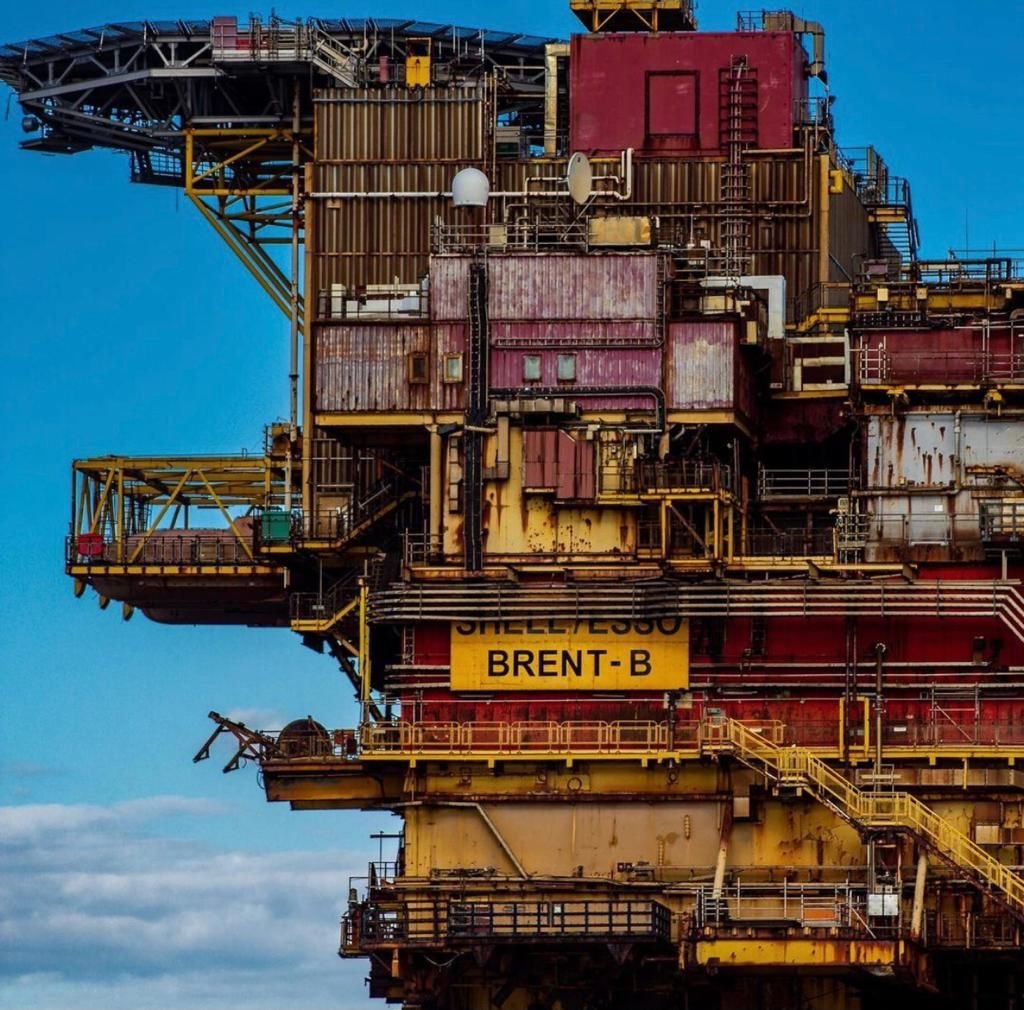
See how our equipment and field support can make sites safer and more efficient.
Learn moreWe keep the skills that built the business and add new ones so clients can produce energy from a wider set of sources.
Learn moreFollow how the portfolio is performing and where capital is going.
Learn moreMolecules and electrons that arrive on time remain the baseline.
Electrification, flaring discipline and diesel displacement.
Renewables chosen for resource, grid code and offtake.
Transition projects use the same planning and HSE standard as drilling.
From the field
How energy companies actually work
Primary barrier is usually hydrostatic — the mud column. Secondary is mechanical — the BOP. If either is unproven, the bit does not turn.
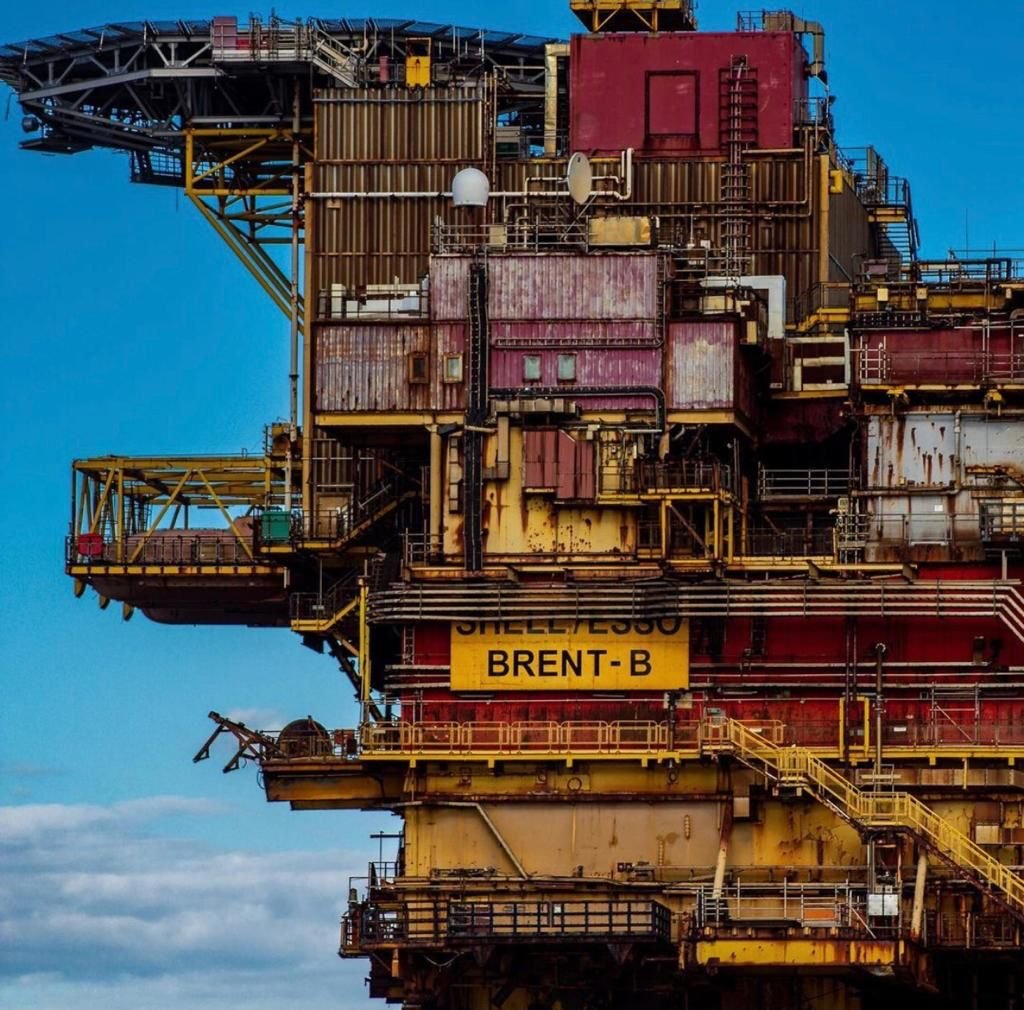
Offshore is weather, marine spread and the stack. Onshore is access, water, pads and neighbours. Do not copy a jack-up plan onto a land pad.
A hold-point is a named gate with a criterion and an owner. ISO 45001 is the management-system language. A poster is not.
Solar on a producing location still needs isolations, lifting and SIMOPS. Reliability first. Intensity reduction second.
Investor administration uses the same idea as well control: nothing posts without evidence.
Roads, noise, local workforce and grievance routes belong in the mobilisation pack.
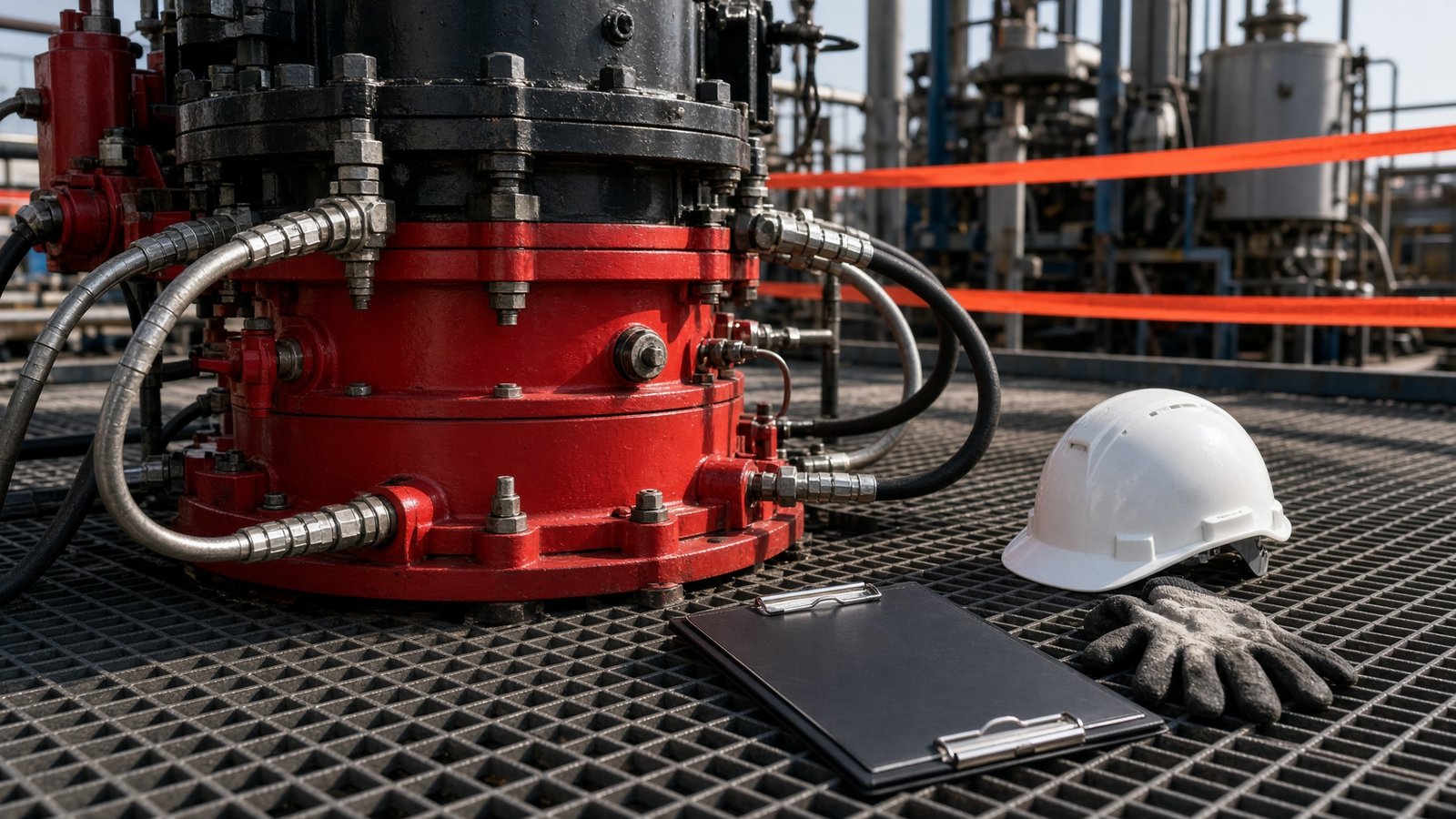
Safety as an operating condition
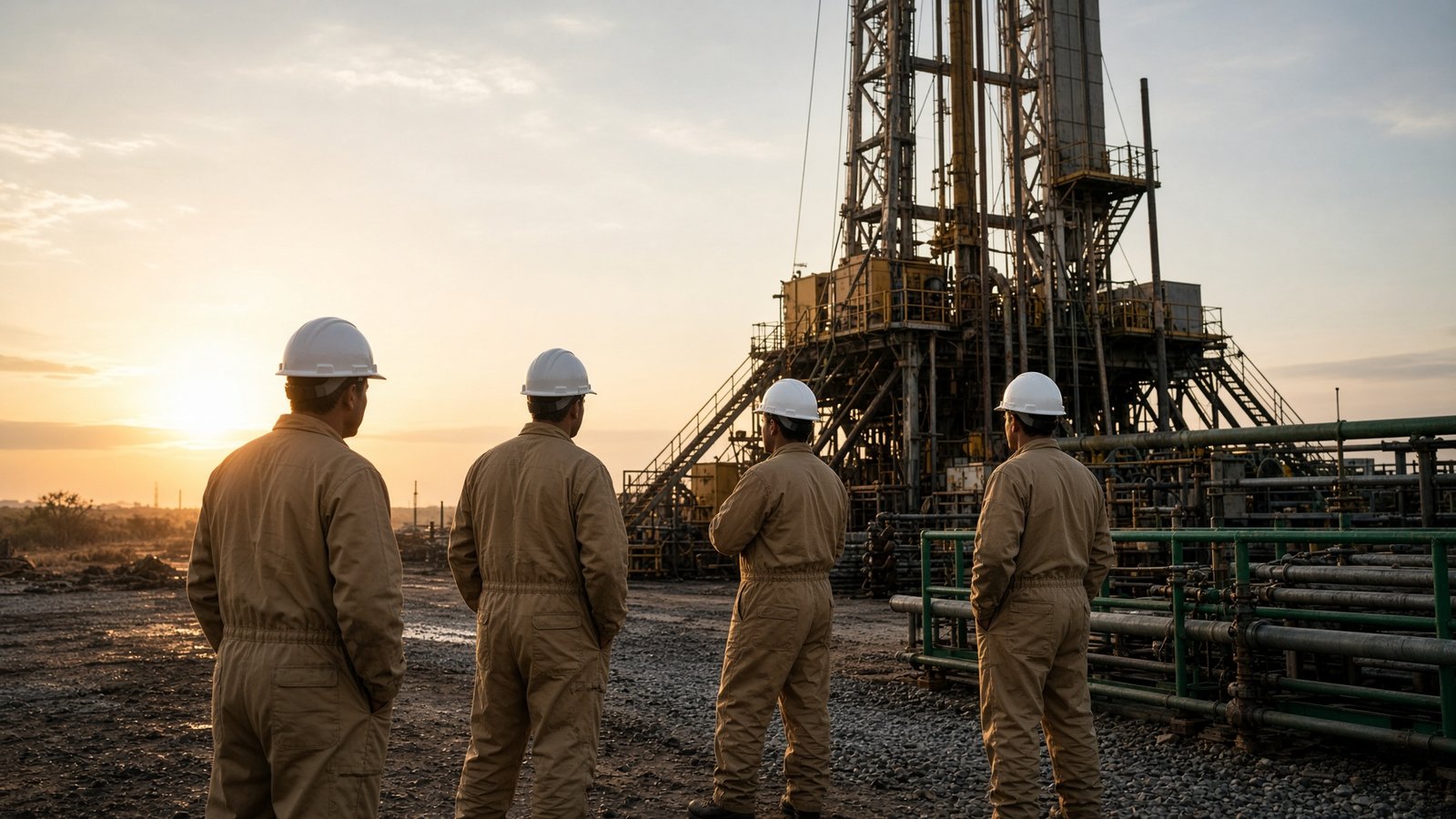
P&ES treats competence, barriers, SIMOPS and return-to-service as hold-points. Digital tracking names who released the step. Stop-work is not insubordination.
The energy system
Upstream
Exploration, appraisal and development are different jobs. The abandonment plan should be visible before the first joint.
Plant
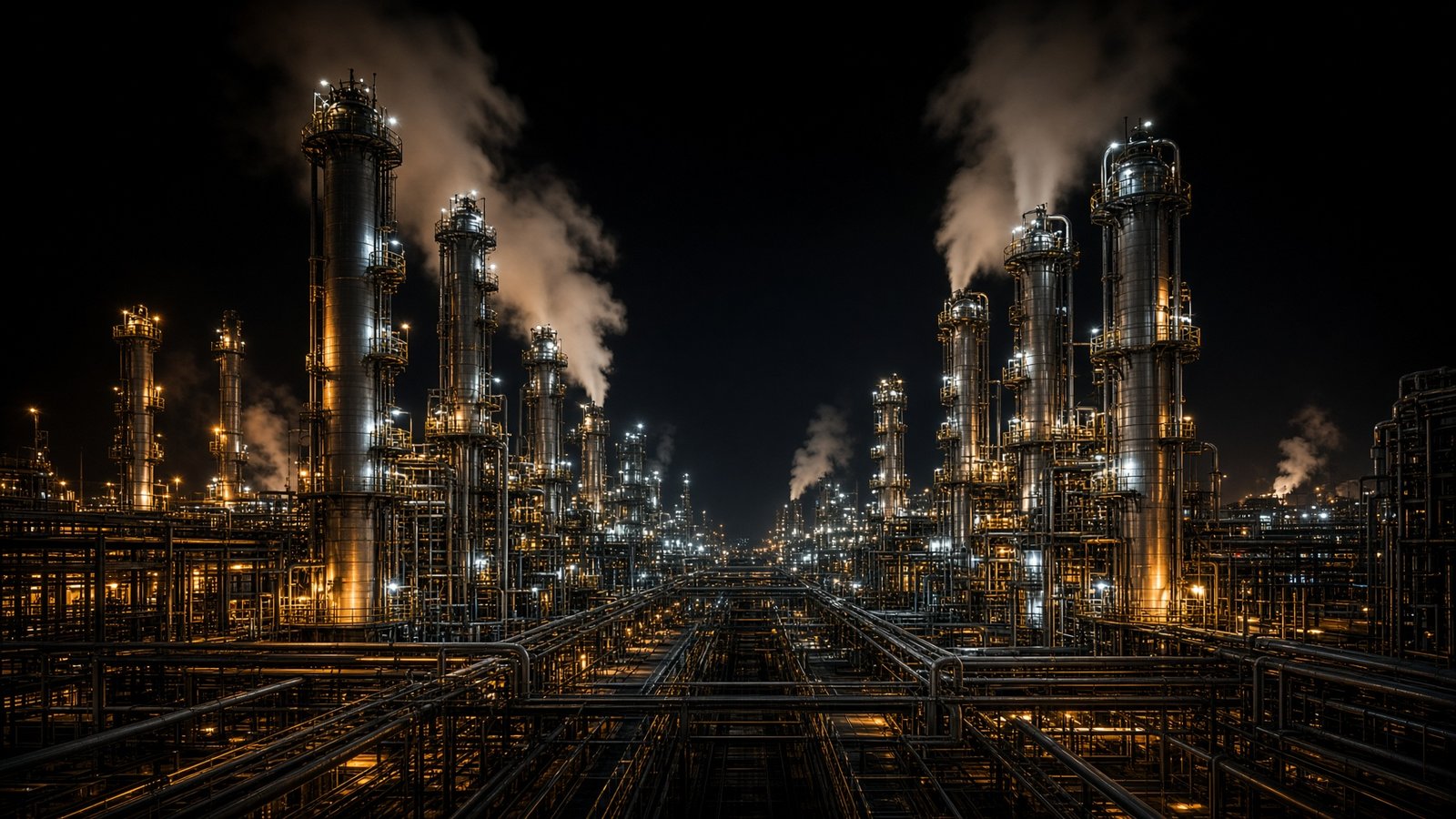
Inspection planning is production support, not a compliance tax.
Power
Interconnection and offtake decide whether a plant is an asset or a stranded slide.
People
Tickets have dates. A frozen crew list is a hold-point. A CV is a biography.
Keep reading