Primary and secondary barriers
Hydrostatic column and mechanical BOP configured to the well and tested to the bridging document.

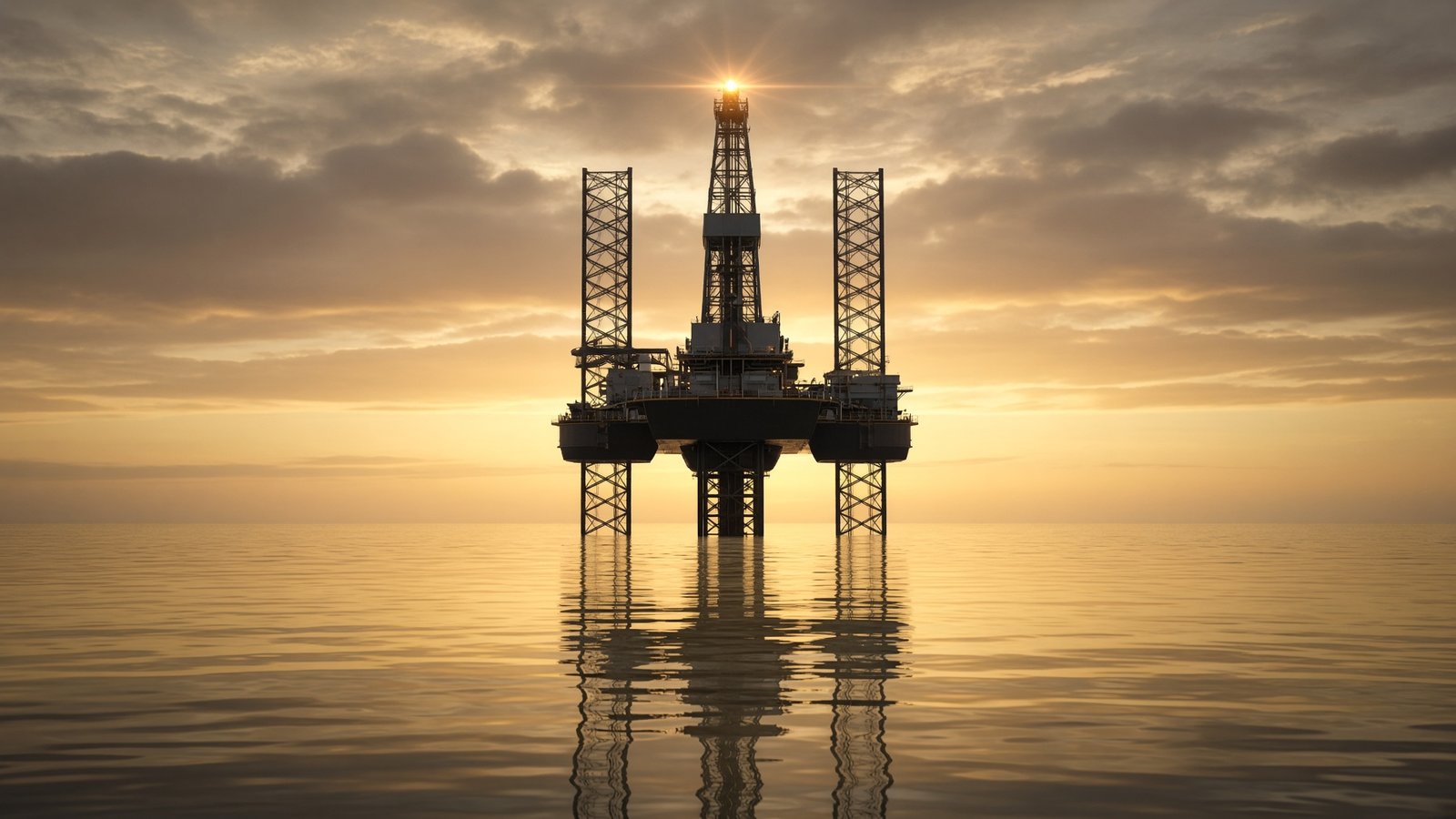
Drilling Overview
Planning quality, marine or land logistics, and well-control awareness determine outcomes as much as equipment.
This overview covers shelf and deepwater offshore support, land and pad onshore programmes, well-control protocol, subsea systems on floating units, and the well-services interface from design to handover.
Offshore
Weather-constrained programmes with SIMOPS and well-control readiness.
Learn more →Onshore
Land campaigns with environmental controls and surface-stack protocol.
Learn more →Support
Interface, workover coordination and production assistance through handover.
Learn more →Well-control protocols
Hydrostatic column and mechanical BOP configured to the well and tested to the bridging document.
Flow-back, pit gain and trip-tank disagreement are events until proven otherwise.
IWCF / IADC certificates on the mobilisation matrix. Drills use the actual stack.
Who shuts in, who notifies, who authorises kill-weight changes — written, not verbal.
Subsea engineering systems
Profile and load path matched in engineering before the unit is named.
Ram configuration and ROV intervention points are hold-points equal to surface tests.
Disconnect and hang-off limits sit in riser analysis, not bridge habit.
Yellow/red DP alerts are well-control-relevant events, not only marine events.
Jack-up campaigns use a surface BOP. Mixing surface-stack language with floating-stack language is a planning error.
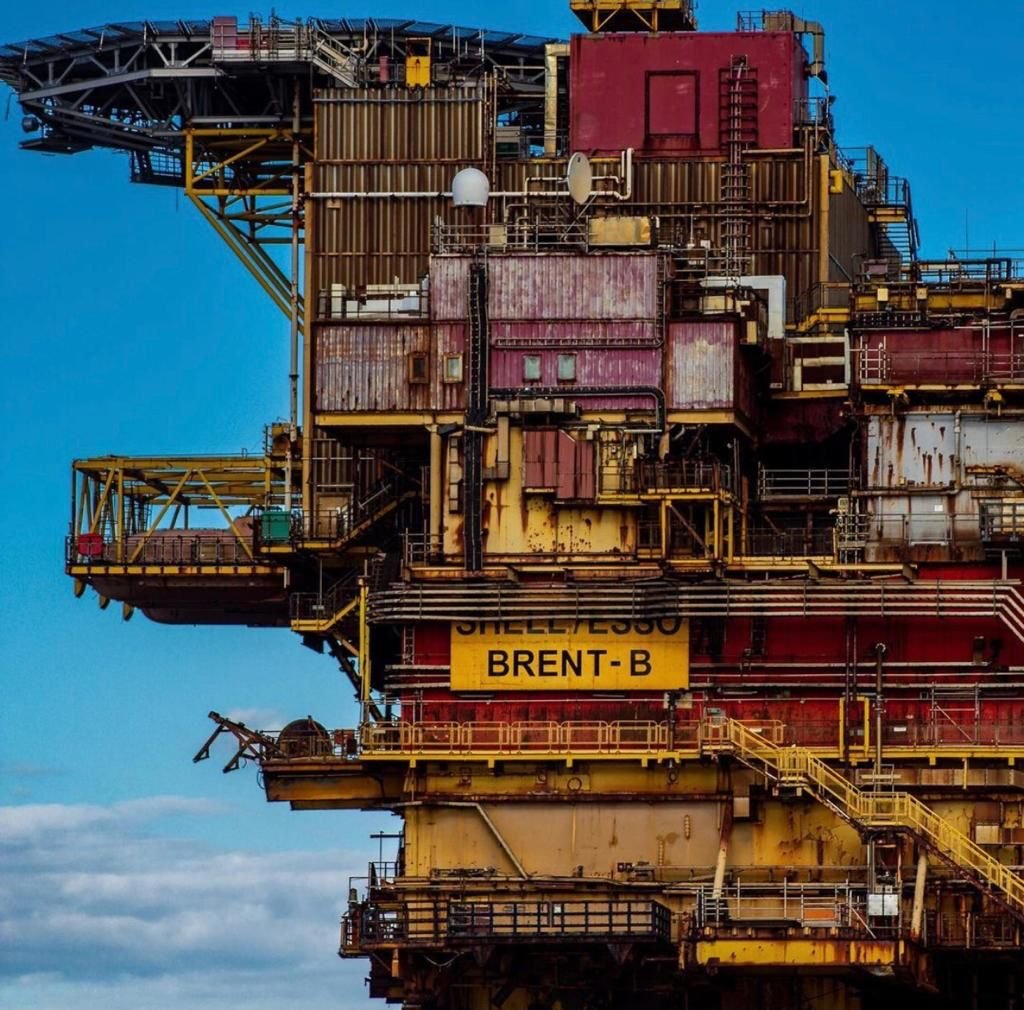
Onshore is not a lesser offshore
We specify equipment against well class. A catalogue photograph is not readiness. See rig technologies and wellbore technologies for how the steel is actually specified.
Evidence
BOP, wellhead and Christmas tree each get their own tests. Mixing them in one paragraph is how evidence gets lost.

From the field
How energy companies actually work
Primary barrier is usually hydrostatic — the mud column. Secondary is mechanical — the BOP. If either is unproven, the bit does not turn.
Offshore is weather, marine spread and the stack. Onshore is access, water, pads and neighbours. Do not copy a jack-up plan onto a land pad.
A hold-point is a named gate with a criterion and an owner. ISO 45001 is the management-system language. A poster is not.
Solar on a producing location still needs isolations, lifting and SIMOPS. Reliability first. Intensity reduction second.
Investor administration uses the same idea as well control: nothing posts without evidence.
Roads, noise, local workforce and grievance routes belong in the mobilisation pack.
Safety as an operating condition
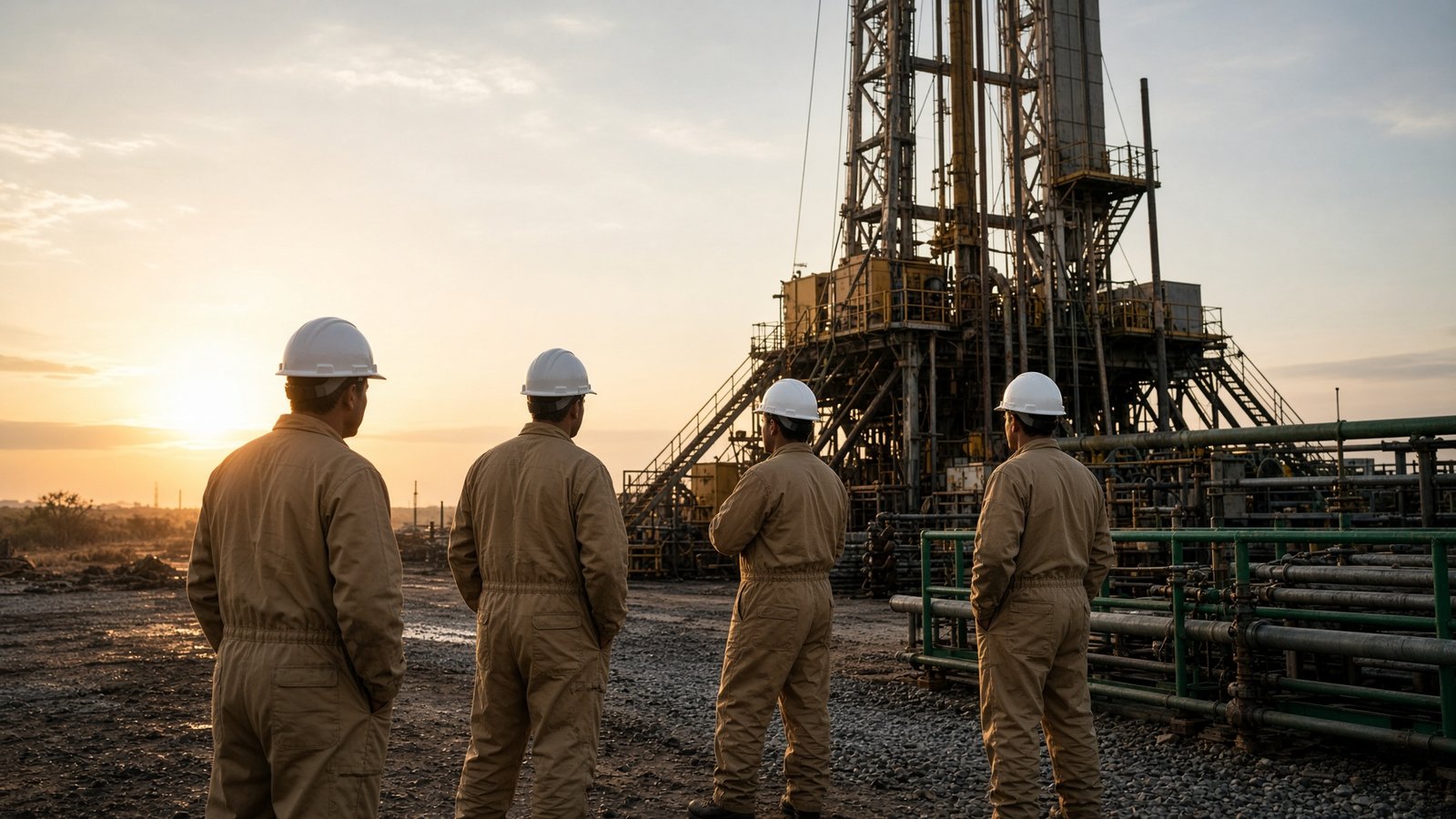
P&ES treats competence, barriers, SIMOPS and return-to-service as hold-points. Digital tracking names who released the step. Stop-work is not insubordination.
The energy system
Upstream
Exploration, appraisal and development are different jobs. The abandonment plan should be visible before the first joint.
Plant
Inspection planning is production support, not a compliance tax.
Power
Interconnection and offtake decide whether a plant is an asset or a stranded slide.
People
Tickets have dates. A frozen crew list is a hold-point. A CV is a biography.
Keep reading